How to Choose a Construction Company in Rawalpindi
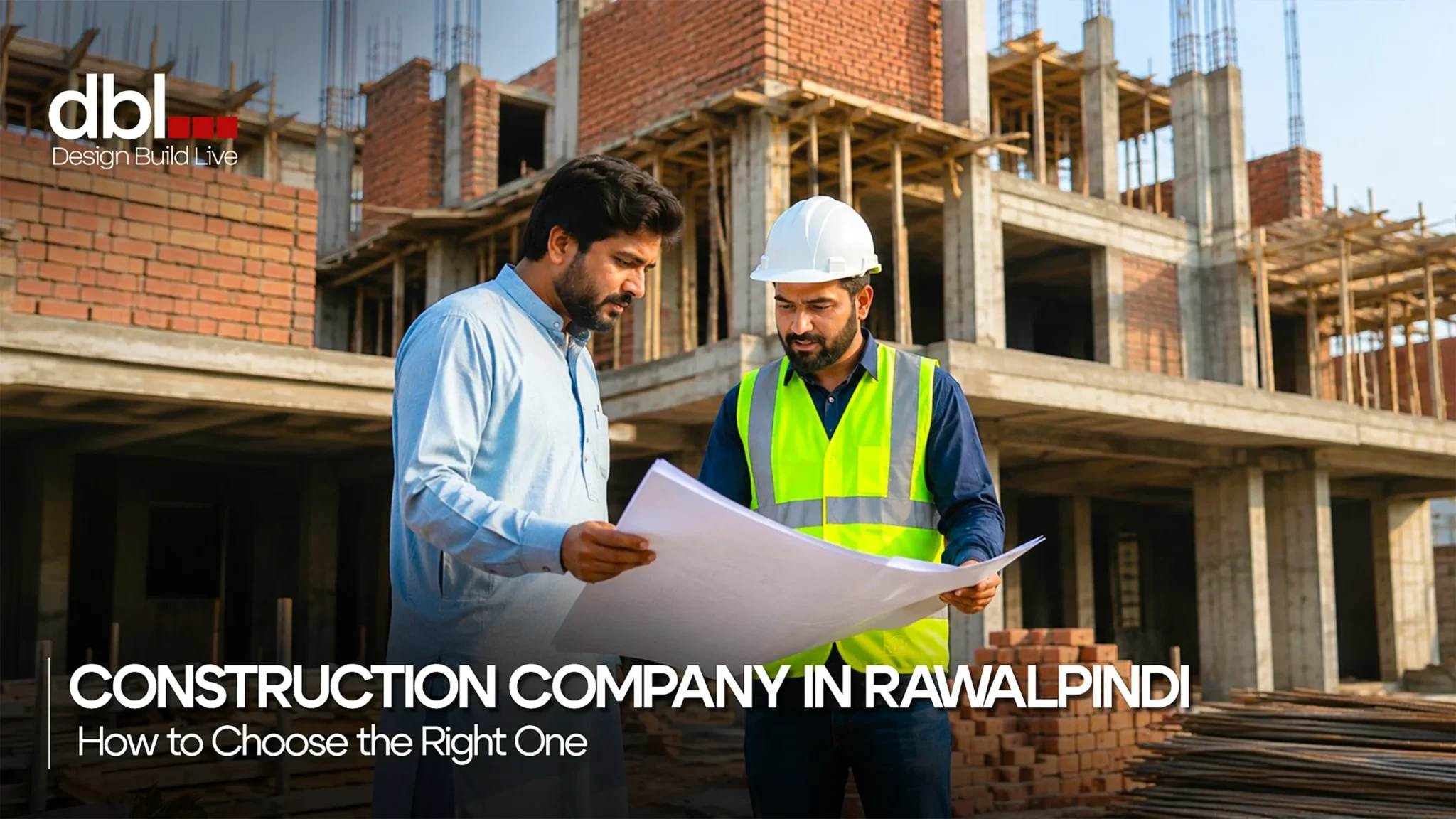
Choosing a construction company in Rawalpindi comes down to five things you can actually verify: real completed projects, a qualified team, a transparent line-by-line quotation, a proper written…
Choosing a construction company in Rawalpindi comes down to five things you can actually verify: real completed projects, a qualified team, a transparent line-by-line quotation, a proper written contract, and a clear plan for RDA approval and site supervision. Get those right, and most cost overruns, delays, and quality problems never happen.
This guide walks you through exactly what to check, what to ask, and what should raise concern, so you can compare contractors on evidence. It’s written to help you make the decision, not to rush you into one.
Before you compare companies, get clear on the scope. The right contractor for a grey-structure-only job isn’t always the right one for a full finished home.
You can hire an architect and a builder separately, or hire one team that does both. A single design-build team means the drawings match what actually gets built on site, and you have one point of accountability if something goes wrong.
Hiring separately can work if you already have approved drawings you trust, but you become the coordinator between two parties.
Knowing which you want lets you compare quotes on the same basis. Comparing a grey-structure quote against a turnkey quote is the most common reason people think one contractor is “cheaper.”
Anyone can claim experience. What matters is evidence you can inspect.
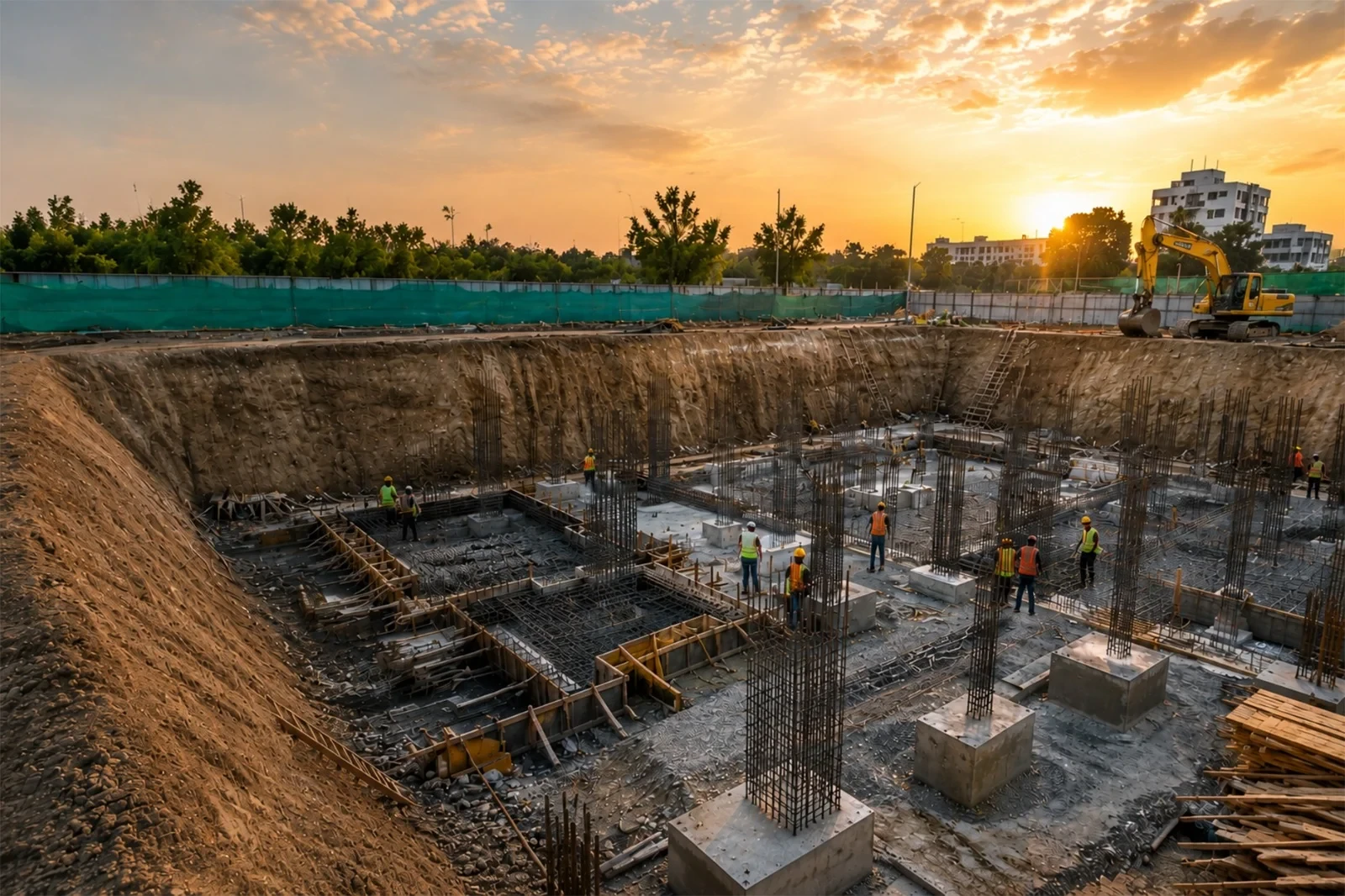
Ask to visit a completed project and, ideally, an active site. A finished house shows quality of finishing; an active site shows you how they actually work. Is it organized, is material stored properly, is there an engineer present, are safety basics in place?
What to actually check in a portfolio:
If a company only shows stock-style images and can’t point you to a real address or a client who’ll talk, treat that as missing evidence.
For context on the range of residential and commercial work handled locally, it helps to look at established builders working across Islamabad and Rawalpindi and compare how they present projects.
A construction project needs more than a foreman. Confirm the company has, or brings in:
Ask who will be your day-to-day point of contact and who supervises the site when concrete is being cast. Vague answers here often predict vague accountability later.
This is where most homeowners get caught. A single lump-sum “per square foot, all-in” number is easy to compare but hides everything that matters.
Insist on a detailed Bill of Quantities, a document that breaks the project down item by item: material, brand or grade, quantity, unit rate, and total. A proper BOQ lets you see exactly what you’re paying for and compare two contractors fairly.
A trustworthy quotation should show:
Why an unrealistically low estimate is a warning, not a win. A price well below every other quote usually means thinner steel, weaker cement ratios, fewer site visits, or costs deliberately left out to be added mid-project once you’re committed. The “cheap” quote frequently ends up the most expensive.
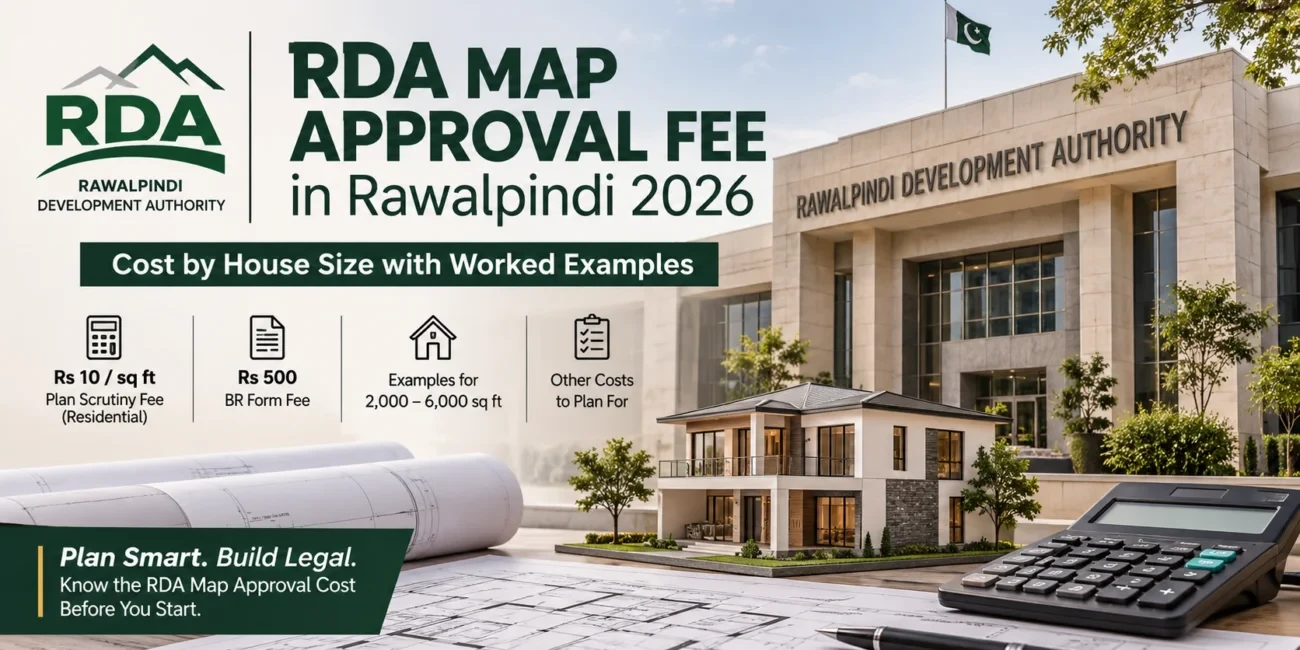
In Rawalpindi, you generally cannot legally start construction until your building plan is approved. The Rawalpindi Development Authority (RDA) reviews plans for setbacks, height limits, covered-area rules, and structural safety, and only accepts drawings prepared and stamped by a registered architect. A good contractor treats this as their job to manage, not yours.
A few local realities to raise with any company you’re considering:
If you want to understand the paperwork and timelines yourself before choosing, it’s worth reading how the process of getting your building plan approved by the RDA actually works. It makes it much easier to tell whether a contractor genuinely knows the local system.
Approval requirements and fees are set by the relevant authority and change periodically. Confirm current requirements directly with RDA (or your society’s office) or a registered architect.
Quality is decided on site, day by day, which is why supervision is worth more than promises.
Ask how the company controls quality:
Grey-structure mistakes are expensive to fix once the roof is cast, so the value of catching problems early is enormous. A contractor who welcomes site visits and can explain their checkpoints is showing you their process; one who discourages visits is showing you something too.
Never build on a verbal agreement. Before any payment, get a written contract that covers:
If a company resists putting these in writing, that itself is your answer.
Ask for a realistic timeline in writing and how it’s managed. A believable schedule accounts for design and approval time before construction even begins, and for local factors like the monsoon months (roughly June to August), when foundation work and concrete curing can be affected.
Good project management looks like this: a named project manager, defined phases, milestone sign-offs, and proactive updates when something shifts. Be wary of anyone promising an unusually fast timeline with no caveats, since speed claims that ignore approvals and weather are usually optimistic quotes, not plans.
The quality of communication during the bidding stage usually reflects what you’ll get during the build. Note how quickly and clearly they answer questions now.
Also ask what happens after handover:
This matters even more if you’re an overseas owner relying on the team to run the project without daily supervision.
Treat any of these as a reason to slow down and dig deeper:
Bring this list to your first meeting:
Once you have two or three quotes, put them on the same footing:
| What to compare | What “better” looks like |
|---|---|
| Scope basis | Both quoting the same thing (grey vs. turnkey) |
| Quotation detail | Itemized BOQ with grades and quantities, not a lump sum |
| Materials | Named brands/grades you can verify |
| Approvals | Clearly included and handled by them |
| Supervision | Named engineer plus defined inspection checkpoints |
| Contract terms | Fixed-price, milestone payments, written variations |
| Evidence | Visitable sites plus a real reference |
| Warranty | Written structural warranty |
The cheapest number rarely wins this table. The most complete and verifiable offer usually does.
Before you sign, confirm you can tick every box:
If you’ve worked through this checklist and want to see how a design-build team applies it in practice, DBL handles architectural design, RDA map approval, grey structure, and turnkey construction under one roof in Rawalpindi and Islamabad, with a detailed BOQ before work begins and site supervision through every stage.
Book a free consultation to discuss your plot and get a detailed BOQ for your project.
Ask to visit a completed project and an active site, request a client reference you can contact, and check that their past work matches your project type and scale. Real, visitable projects are stronger proof than photos or claims.
A design-build company gives you one point of accountability and ensures the drawings match what’s built. Hiring separately can work if you already have approved drawings you trust, but you take on the coordination between the two.
A detailed Bill of Quantities: each item with material grade or brand, quantity, unit rate, and total, plus clear exclusions, a milestone-based payment schedule, and a validity period. Avoid lump-sum “all-in” figures with no breakdown.
In most cases, yes. Building plans generally need approval before construction begins, and private societies run their own approval processes. Confirm which authority governs your plot and check current requirements with the RDA or a registered architect.
A price far below others usually means lower-grade materials, weaker construction ratios, fewer site inspections, or costs deliberately left out to be added later. The lowest quote frequently becomes the most expensive project.
Full scope and exclusions, the BOQ and total price, whether it’s fixed-price, a milestone payment schedule, timeline, responsibility for approvals, how variations are priced, warranty terms, and who supervises and signs off at each stage.